When to call
Signs septic service is the right call in San Antonio
- Backup at the lowest fixture in the house
- Slow drains throughout the house on a septic system
- Sewage odor indoors or over the tank or field
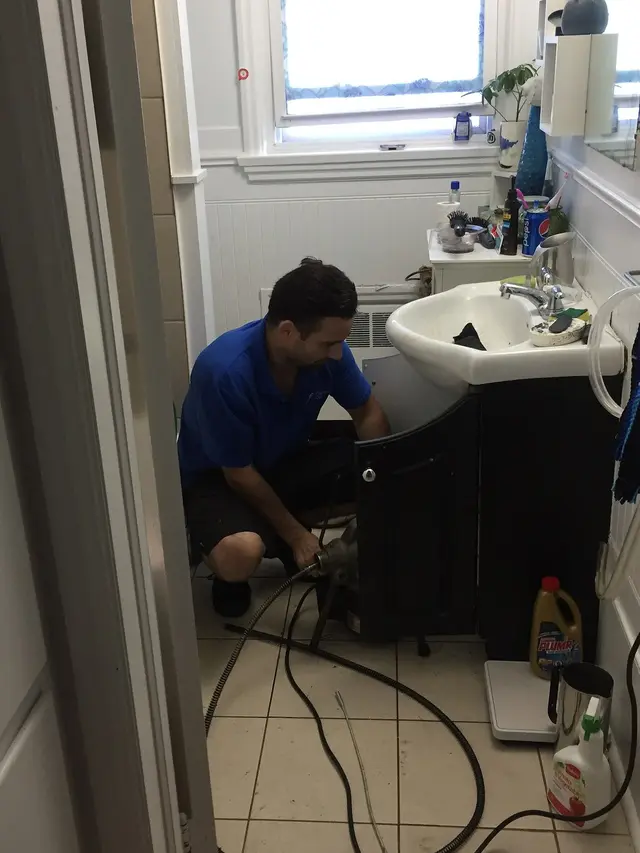
On site
The first things a competent visit gets right
Septic requests from San Antonio are routed to independent licensed professionals who already cover Bexar County and reach Converse on the same run. Where septic is permitted work, the permit is pulled with City of San Antonio Development Services by the licensed contractor, not by the homeowner. Roughly 87 ZIP codes fall inside the San Antonio routing boundary, and a metro that size usually has several contractors bidding on this work. The statewide view of septic system services explains the job in full, and San Antonio is one of 179 markets served by licensed plumbers in Texas. Published ranges are on the septic costs page.
- 1
Tank is located, uncovered and sludge and scum layers are measured
- 2
Baffles, filter and lid condition are inspected
- 3
Pumping interval is set from household size and tank volume
Price drivers
What changes the price in San Antonio
San Antonio is a large market, so there are usually several contractors bidding, which tends to compress routine pricing and widen the spread on emergency call-outs.
- 01
Distance the pumper must travel and local disposal fees
- 02
Whether the drain field has failed, which is a different scale of job
- 03
Tank size and how long since the last pump-out
- 04
Access — whether the lid is at grade or must be excavated
Coverage for septic in San Antonio
San Antonio sits in Bexar County with a population of about 1,526,656. Requests from these 87 ZIP codes are routed to professionals covering the San Antonio area; local numbers use area codes 210, 726, 830.
- 78201
- 78202
- 78203
- 78204
- 78205
- 78206
- 78207
- 78208
- 78209
- 78210
- 78211
- 78212
- 78213
- 78214
- 78215
- 78216
- 78217
- 78218
- 78219
- 78220
- 78221
- 78222
- 78223
- 78224
- 78225
- 78226
- 78227
- 78228
- 78229
- 78230
- 78231
- 78232
- 78233
- 78235
- 78237
- 78238
- 78239
- 78240
- 78241
- 78242
- 78243
- 78244
- 78245
- 78246
- 78247
- 78248
- 78249
- 78250
- 78251
- 78252
- 78253
- 78254
- 78255
- 78256
- 78257
- 78258
- 78259
- 78260
- 78261
- 78262
- 78263
- 78264
- 78265
- 78266
- 78268
- 78269
- 78270
- 78275
- 78278
- 78279
- 78280
- 78283
- 78284
- 78285
- 78286
- 78287
- 78288
- 78289
- 78291
- 78292
- 78293
- 78294
- 78295
- 78296
- 78297
- 78298
- 78299
Before you sign
What to ask a San Antonio contractor first
- 01
How many gallons does the tank hold, and what pumping interval suits the household size and the current sludge depth?
- 02
Are the lids at grade, or must the tank be located and excavated before pumping can begin?
- 03
Will baffles, the effluent filter and lid seals be inspected and documented, since a failed baffle sends solids to the field?
Before anyone touches a pipe
Verify the license. It takes two minutes.
- Who licenses the work: Texas State Board of Plumbing Examiners (TSBPE).
- Who pulls the permit: City of San Antonio Development Services — the licensed contractor, never the homeowner.
- What to ask for: the license number, the registered name behind it, and an insurance certificate issued to the property address.
Answers first
Septic in San Antonio — common questions
How often does a septic tank need pumping?
For most households, every 3–5 years, but it is driven by tank volume and occupancy rather than the calendar. A household of five on a small tank may need it more often than a couple on a large one.
What must never go into a septic system?
Wipes of any kind including 'flushable' ones, grease, paint, solvents, harsh drain chemicals and excessive bleach. The system depends on live bacteria — anything that kills them or will not break down shortens the drain field's life.
Is a septic backup an emergency?
Treat sewage entering the building as urgent for health reasons. Stop using water in the house immediately, since every gallon added makes it worse, and get a licensed pumper or plumber out.
Do I need a permit for plumbing work in San Antonio?
Permits in San Antonio are issued by City of San Antonio Development Services. As a rule, water heater replacement, gas work, sewer laterals and repiping are permitted work, while a like-for-like faucet or disposal swap usually is not. A licensed contractor pulls the permit — if one offers to skip it, that is the signal to stop.
Who handles the permit for septic in Texas?
The licensed contractor pulls the permit — never the homeowner. If a contractor proposes skipping a required permit, treat that as the signal to stop and verify the license.
What warranty applies to the work?
Whatever the contractor offers in writing — PlumberTexas is not a party to the agreement. Ask for labor and parts warranty terms in the quote, and keep the license number with the paperwork.
How does the callback request work?
The 30-second form asks for a name, ZIP and the number to reach you on. The request routes to an independent licensed professional covering that area, and they call you back. Consent for marketing contact is optional — the request goes through with or without it.
Which areas does PlumberTexas cover?
All of Texas: the site lists every covered city with real ZIP codes, the county permit authority and nearby coverage, so requests route to a professional already working that area.
Nearby
Septic in cities near San Antonio
-

Austin
Travis County
Get connected
Septic in San Antonio
One short request is enough to reach an independent licensed plumber covering San Antonio. You keep control of scope, price and the decision to hire.
- Requests handled around the clock
- An independent licensed pro calls you back
- No obligation to hire
Prefer a call back?
Half a minute of typing; the callback comes from an independent licensed pro.
Request received
It has been routed to an independent licensed professional covering your area — they will call you back on the number you entered.
Keep reading
Related pages
-
Statewide
Septic System Services across Texas
-
Cost guide
Septic cost ranges in Texas
-
San Antonio
All plumbing services in San Antonio